Useful information and news

Difference between Physiotherapist and Physiatrist
Physiotherapists complete a three-year undergraduate degree program, which may be followed by a two-year specialist degree or one or more master's degrees of varying length. They cannot make diagnoses, prescribe medications, or perform infiltrations, injections, or other invasive procedures; these are the prerogatives of physicians. Ultrasound may be used for monitoring but not for diagnostic purposes.
A physiatrist is a surgeon who, after six years of study, has completed three or four years of specialization training. Additional courses and specializations enhance the training program.
The physiatrist can perform diagnoses, prescribe therapies and perform invasive procedures (including infiltrations and percutaneous administration of oxygen-ozone).
Lymphedema
Lymphedema is a chronic swelling that occurs when the lymphatic system fails to properly drain fluid from tissues. It often occurs in the limbs, especially the arms or legs, and can be caused by surgery, radiation therapy, infection, trauma, or malformations of the lymphatic system. In addition to swelling, it can cause a feeling of heaviness, skin tightness, and reduced mobility. Management often requires a multidisciplinary approach with physical therapy, compression, targeted exercises, and skin care.

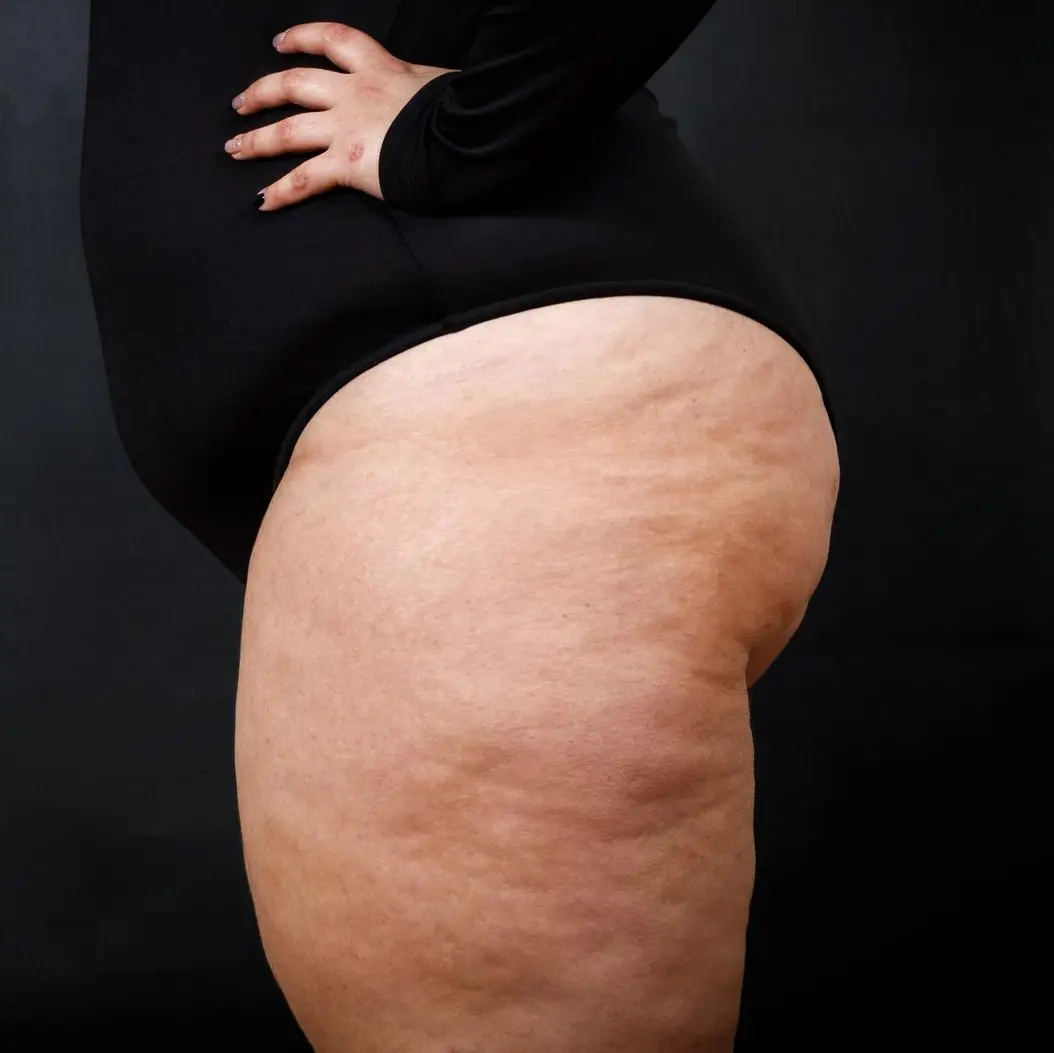
Lipedema
Lipedema is a chronic condition characterized by an abnormal and painful accumulation of adipose tissue, almost always symmetrical on the legs and sometimes arms, generally sparing the hands and feet. It primarily affects women and can be confused with overweight or obesity, but it has its own characteristics, such as pain to the touch, easy bruising, and a feeling of heaviness. It's not just an aesthetic problem; it can affect physical well-being, posture, and quality of life. Appropriate treatment can help manage symptoms and improve function.
Edema
Edema is the excessive accumulation of fluid in the body's tissues, causing visible swelling in one or more areas. It can appear for many different reasons, such as circulatory problems, inflammation, trauma, venous insufficiency, kidney or heart disease, or prolonged standing or sitting. Edema can be temporary or persistent, mild or severe, and in some cases is accompanied by pain, skin tightness, and difficulty moving. Identifying the cause is essential for proper treatment.
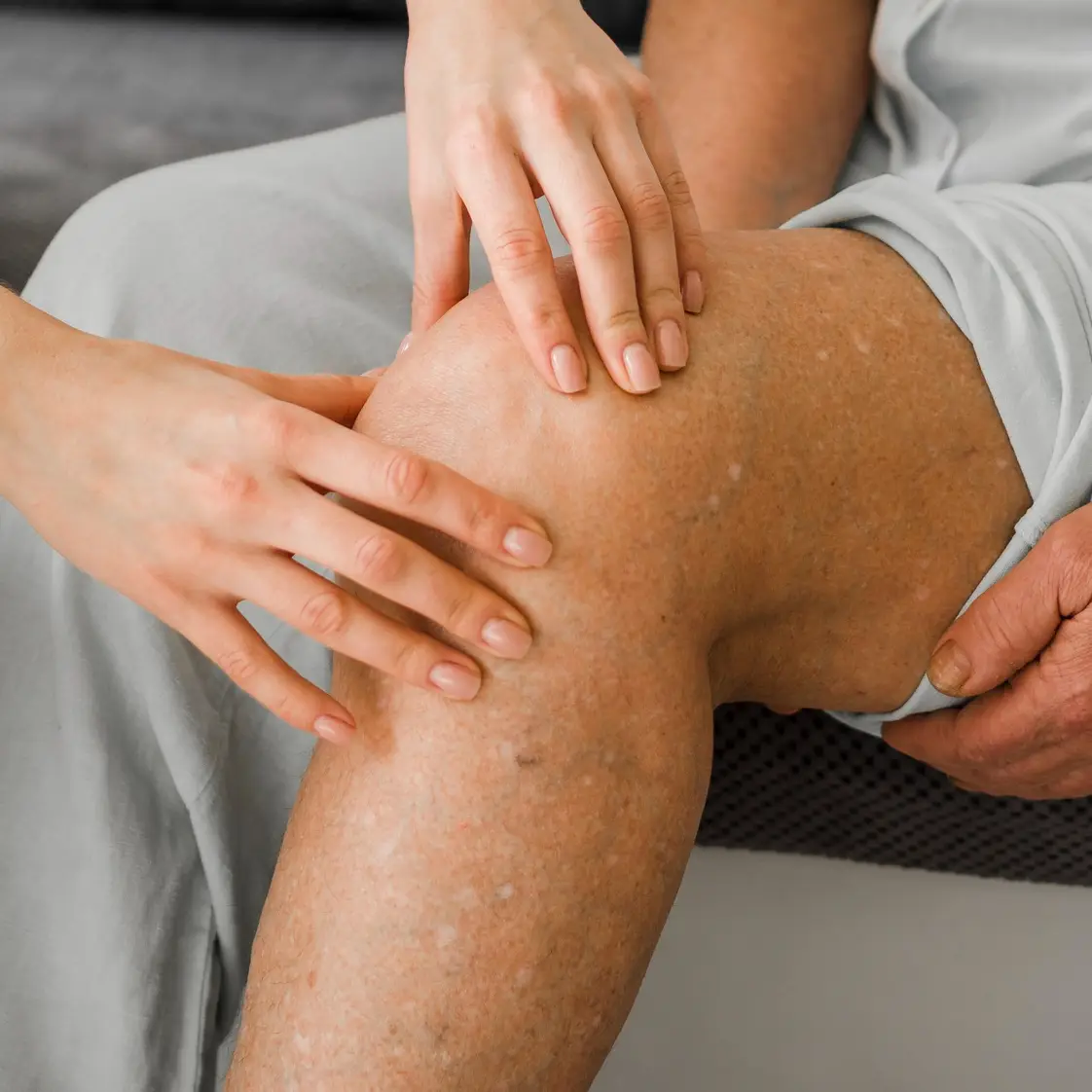

Musculoskeletal diseases
Musculoskeletal diseases (MSDs) comprise a broad group of conditions affecting the muscles, bones, joints, tendons, ligaments, and spine. They can cause pain, stiffness, weakness, limited movement, and difficulty performing daily activities. Among the most common are osteoarthritis, arthritis, tendinitis, low back pain, osteoporosis, and other inflammatory or degenerative conditions. These conditions have a significant impact on quality of life, but can often be managed with therapy, exercise, rehabilitation, and prevention.
The rehabilitation
Rehabilitation is a treatment program aimed at recovering, improving, or maintaining a person's physical, cognitive, and functional abilities after an illness, injury, or surgery. It involves not only regaining movement, but also independence in daily living, pain reduction, and improved quality of life. It may include physical therapy, therapeutic exercises, occupational therapy, and educational support. In this sense, rehabilitation helps individuals regain the highest possible level of independence and well-being.